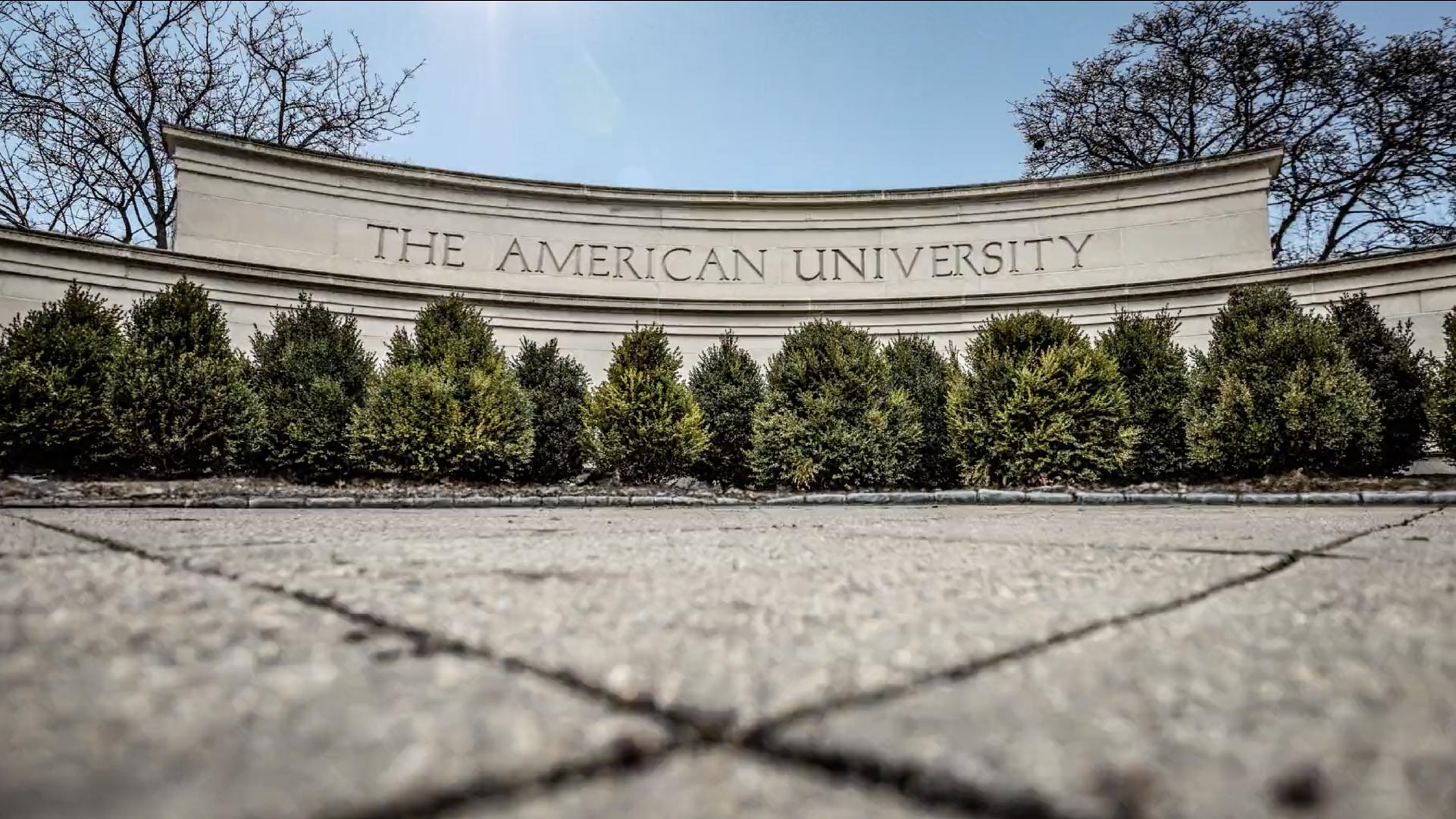
From Reactive to Proactive—Uncovering the Cause of Wi-Fi Connectivity Issues
With almost 20,000 users connected to the wireless network each week, the day-to-day impact of intermittent wireless connectivity was significant, especially in high-profile locations.
“Before the pandemic, we received calls several times a week from students and staff complaining about dropped connections in the middle of class,” said Vick Bhatia, Senior Network Engineer. “By the time we arrived at the location and conducted tests to troubleshoot the issue, everything appeared normal. We also didn’t have time to gather important information as we had to get the class back up as quickly as possible.”
Once the Sapphire Eye sensors were installed, they were able to identify a glaring issue, which was a beacon that persistently dropped on the 5 GHz channel. “Using 7SIGNAL tools, we were able to pinpoint the issue, collect the data, and share this information with our AP vendor,” said Bhatia, who led the installation and initial setup with the 7SIGNAL team. “We also found a combination of hardware and software concerns which spanned from a bug in our vendor’s code and constant channel changes to dead hardware and load-handling strain.”
“It was the 7SIGNAL reports that made it possible to resolve the issues we were experiencing” noted Fleitz.
No matter how large your networking team is, you can’t be everywhere at once for testing and troubleshooting. “7SIGNAL is a great product that helps you become proactive instead of reactive. You can install it, gather data, understand how clients work in a particular location, have a full view of your network, and make changes as needed,” said Bhatia. “They also provide insights into issues that are brewing but haven’t risen to the surface yet.”
Bhatia, who used to spend the majority of his day troubleshooting, is now free to focus on higher leverage projects such as improving the wireless architecture as a whole and identifying important trends.
Top-Notch Training Provides Multiple Levels of Value
Bhatia and Fleitz were impressed with 7SIGNAL’s training and support even after the initial implementation. Support calls are conducted at least biweekly to review data, reports, and any concerns that may have arisen.
“There are very few companies that will stay connected with you on a regular basis, keep you up-to-date, and work closely with you to manage the networking environment,” said Fleitz. “7SIGNAL’s knowledge is impressive, their support and training are top notch, and they help translate the data to make it more useful to us.”
American University is planning on adding more Sapphire Eye sensors going forward. With remote learning and Zoom meetings, there is even more pressure to ensure the wireless environment is stable. “We plan on adding about 300 more Sapphire Eye sensors to complete the entire campus.” concluded Fleitz. “We now have peace of mind knowing that 7SIGNAL will alert us to potential issues which can be quickly resolved for students and staff.”